Art therapy is a fascinating and transformative practice that combines the creative process of making art with therapeutic techniques to improve mental, emotional, and physical well-being. As I delve into this subject, I find myself captivated by the profound impact that art can have on individuals seeking healing and self-discovery. The beauty of art therapy lies in its ability to transcend verbal communication, allowing individuals to express their feelings and experiences in a non-threatening and often liberating manner. Through various artistic mediums, participants can explore their inner worlds, confront challenges, and ultimately foster personal growth.
In my exploration of art therapy, I have come to appreciate its versatility and accessibility. It is not limited to those with artistic talent; rather, it welcomes everyone, regardless of their skill level. This inclusivity makes art therapy a powerful tool for self-exploration and healing. Whether through painting, drawing, sculpture, or other forms of creative expression, individuals can tap into their emotions and experiences in a way that traditional talk therapy may not facilitate. As I reflect on the significance of this practice, I am reminded of the countless stories of transformation that emerge from the art therapy process.
The History of Art Therapy
The roots of art therapy can be traced back to the early 20th century when artists and psychologists began to recognize the therapeutic potential of creative expression. I find it intriguing to learn about how pioneers in the field, such as Margaret Naumburg and Edith Kramer, laid the groundwork for what would become a recognized discipline. Naumburg, often referred to as the “mother of art therapy,” believed that art could serve as a means of communication for those who struggled to articulate their thoughts and feelings verbally. Her work emphasized the importance of the creative process as a pathway to self-discovery and healing.
As I delve deeper into the history of art therapy, I discover that it gained momentum during and after World War II when many veterans returned home with psychological scars from their experiences. Art became a vital outlet for these individuals, allowing them to process trauma and express emotions that were often too painful to articulate. The establishment of formal training programs and professional organizations in the latter half of the 20th century further solidified art therapy as a legitimate therapeutic practice. This historical context enriches my understanding of how art therapy has evolved into a respected field that continues to grow and adapt to contemporary needs.
How Art Therapy Works

Art therapy operates on the premise that the creative process can facilitate healing and self-exploration. In my experience, this therapeutic approach encourages individuals to engage with their emotions through artistic expression, often leading to insights that may not surface through traditional talk therapy. The act of creating art allows me to access deeper layers of my psyche, providing a safe space to confront fears, anxieties, and unresolved issues. The therapist’s role is to guide this process, offering support and insight while allowing the individual to take the lead in their creative journey.
One of the most compelling aspects of art therapy is its ability to bypass cognitive defenses. When I immerse myself in creating art, I often find that my subconscious thoughts and feelings emerge more freely than they would in a conventional therapeutic setting. This phenomenon can be particularly beneficial for those who struggle with verbal communication or have difficulty articulating their emotions. By engaging in the creative process, I can explore complex feelings without the pressure of having to explain them immediately. This unique dynamic fosters a sense of safety and encourages deeper exploration.
The Benefits of Art Therapy

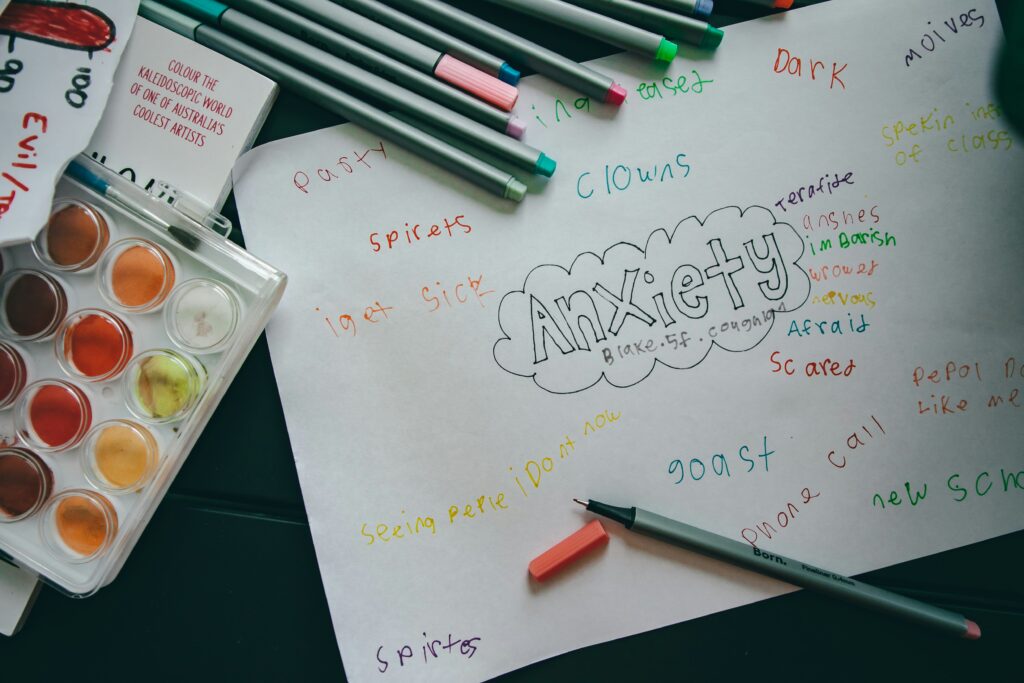
The benefits of art therapy are vast and varied, impacting individuals on multiple levels—emotional, psychological, and even physical. Personally, I have found that engaging in art therapy has provided me with a valuable outlet for stress relief and emotional regulation. The act of creating something tangible allows me to channel my feelings into a physical form, which can be incredibly cathartic. This process not only helps me manage anxiety but also enhances my overall sense of well-being.
Moreover, art therapy has been shown to improve self-esteem and self-awareness. As I create art, I often discover new aspects of myself that I may not have recognized before. This journey of self-discovery can lead to increased confidence and a greater understanding of my emotions and behaviors. Additionally, art therapy fosters social connections when practiced in group settings, allowing individuals to share their experiences and support one another in their healing journeys. The sense of community that emerges from these shared experiences can be profoundly uplifting.
Different Approaches to Art Therapy
Art therapy encompasses a range of approaches, each tailored to meet the unique needs of individuals seeking support. One approach that resonates with me is expressive art therapy, which emphasizes free expression without judgment or expectation. In this method, participants are encouraged to create art purely for the sake of expression rather than focusing on technique or outcome. This liberating approach allows me to explore my emotions freely and authentically.
Another approach is cognitive-behavioral art therapy (CBAT), which integrates traditional cognitive-behavioral techniques with artistic expression. In my experience with CBAT, I have found that it provides a structured framework for addressing specific issues while still allowing for creativity. This combination can be particularly effective for individuals dealing with anxiety or depression, as it encourages both self-reflection and proactive problem-solving through artistic means.
Art Therapy Techniques
Art therapists employ a variety of techniques to facilitate the therapeutic process, each designed to encourage self-expression and exploration. One technique that I find particularly impactful is guided imagery combined with art-making. In this approach, the therapist leads participants through a visualization exercise before they create art based on their imagined experiences. This technique allows me to tap into my imagination and emotions simultaneously, resulting in artwork that reflects my inner world in profound ways.
Another technique commonly used in art therapy is collage-making. By cutting out images and words from magazines or other materials, I can create visual representations of my thoughts and feelings. This method not only fosters creativity but also encourages me to reflect on what resonates with me personally. Collage-making can serve as a powerful metaphor for piecing together different aspects of my identity or experiences, ultimately leading to greater self-awareness.
Who Can Benefit from Art Therapy
Art therapy is an inclusive practice that can benefit individuals from all walks of life. In my observations, it has proven particularly effective for children who may struggle to articulate their feelings verbally. For young ones facing trauma or emotional challenges, engaging in creative activities can provide a safe outlet for expression. I have witnessed how children can communicate complex emotions through their artwork in ways they might not be able to do with words alone.
Additionally, adults grappling with mental health issues such as anxiety, depression, or PTSD can find solace in art therapy. The creative process offers a unique avenue for exploring difficult emotions while fostering resilience and coping skills. In my experience, even those who may not consider themselves “artists” can benefit from this practice; it is less about artistic skill and more about the journey of self-discovery and healing through creativity.
The Future of Art Therapy
As I contemplate the future of art therapy, I am filled with optimism about its potential for growth and innovation. With increasing recognition of mental health’s importance in our society, I believe that art therapy will continue to gain traction as a valuable therapeutic option. The integration of technology into therapeutic practices also opens up exciting possibilities; virtual art therapy sessions could make this form of healing more accessible to individuals who may not have access to traditional services.
Furthermore, ongoing research into the efficacy of art therapy will likely contribute to its credibility within the mental health community. As more studies highlight its benefits across various populations and settings, I anticipate that art therapy will become an integral part of holistic treatment approaches in mental health care. Ultimately, I am hopeful that as awareness grows, more individuals will discover the transformative power of art therapy as a means of healing and self-exploration.