
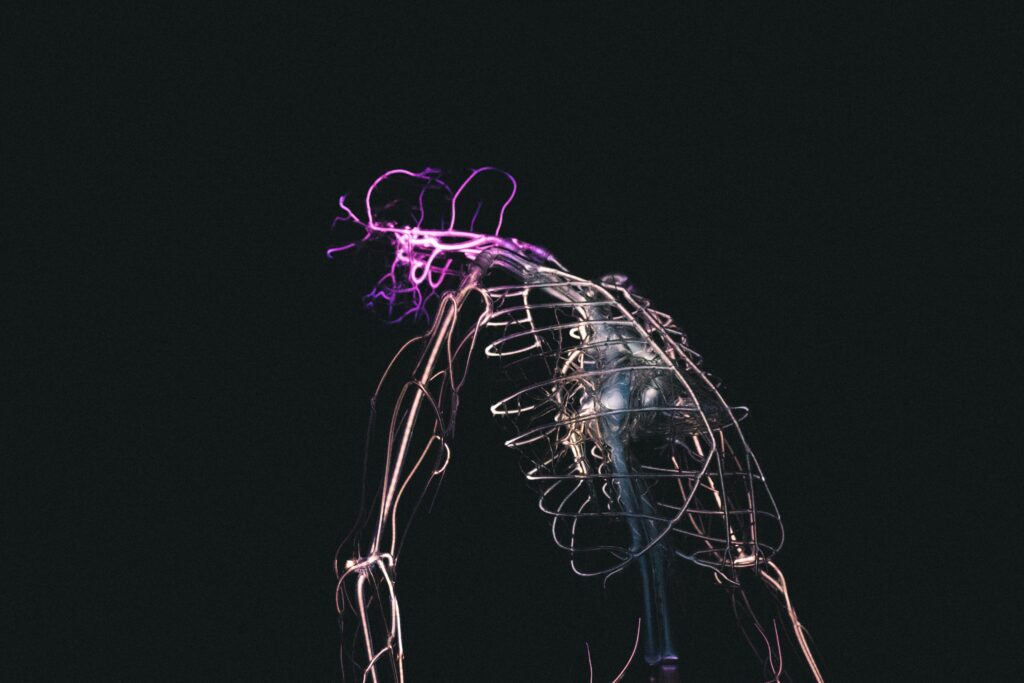
Biohacking, a term that encompasses a wide range of practices aimed at enhancing human biology, has gained significant traction in recent years. It refers to the use of science, technology, and self-experimentation to optimize physical and mental performance. The concept is rooted in the idea that individuals can take control of their own biology, often through unconventional means. This can include dietary changes, exercise regimens, the use of supplements, and even more advanced techniques such as genetic modification and implantable devices. As the boundaries of science and technology continue to expand, biohacking has emerged as a movement that challenges traditional notions of health and wellness.
The rise of biohacking can be attributed to several factors, including advancements in technology, increased access to information, and a growing interest in personal health optimization. With the proliferation of wearable devices and health-tracking applications, individuals are now able to monitor their physiological data in real-time. This data-driven approach allows for more informed decisions regarding lifestyle choices and health interventions. Furthermore, the democratization of scientific knowledge through online platforms has empowered individuals to experiment with their own biology, leading to a diverse array of biohacking practices.
Biohacking is an intriguing field that explores the intersection of biology and technology, allowing individuals to optimize their physical and mental performance. A related article that delves into the fascinating realm of scientific exploration is titled “The Sounds of Space as NASA’s Cassini Dives by Saturn.” This piece highlights the incredible data collected by the Cassini spacecraft, which has provided insights into the mysteries of our solar system. To read more about this captivating subject, you can visit the article here: The Sounds of Space as NASA’s Cassini Dives by Saturn.
Current Trends in Biohacking
Current trends in biohacking reflect a blend of traditional health practices and cutting-edge technology. One prominent trend is the focus on personalized nutrition, where individuals tailor their diets based on genetic information, microbiome analysis, and metabolic responses. This approach moves away from one-size-fits-all dietary guidelines and emphasizes the importance of understanding one’s unique biological makeup. Companies offering DNA testing kits have proliferated, providing insights that can guide dietary choices and supplement use.
Another significant trend is the use of nootropics—substances that claim to enhance cognitive function. These can range from natural supplements like caffeine and ginkgo biloba to synthetic compounds designed to improve memory, focus, and overall brain performance. The increasing popularity of nootropics has sparked discussions about their efficacy and safety, as users seek ways to gain a competitive edge in both personal and professional realms. Additionally, the rise of intermittent fasting and other time-restricted eating patterns has gained traction among biohackers looking to optimize metabolic health and longevity.
Ethical Considerations in Biohacking
As biohacking continues to evolve, ethical considerations have become increasingly important. The potential for self-experimentation raises questions about safety, informed consent, and the long-term effects of various biohacking practices. While many individuals engage in biohacking with the intention of improving their health, the lack of regulation in this field can lead to unintended consequences. For instance, the use of untested supplements or extreme dietary changes may pose risks that are not immediately apparent.
Moreover, the implications of genetic modifications and enhancements present complex ethical dilemmas. The ability to edit genes raises concerns about equity and access; not everyone may have the resources or knowledge to engage in such practices. Additionally, there are fears about the potential for creating societal divides based on biological enhancements. As biohacking becomes more mainstream, it is crucial for practitioners and regulators alike to consider these ethical dimensions and work towards establishing guidelines that prioritize safety and equity.
The Future of Biohacking: Enhancing Physical Performance
Looking ahead, one of the most promising areas for biohacking lies in enhancing physical performance. Athletes and fitness enthusiasts are increasingly turning to biohacking techniques to gain an edge in their respective fields. This includes not only traditional methods such as strength training and endurance exercises but also innovative approaches like cryotherapy, blood flow restriction training, and advanced recovery protocols. These methods aim to optimize physical capabilities while minimizing injury risk.
Furthermore, advancements in wearable technology are set to revolutionize how individuals approach physical performance. Devices that monitor heart rate variability, sleep patterns, and muscle recovery provide real-time feedback that can inform training regimens. As data analytics become more sophisticated, athletes will be able to tailor their training programs with unprecedented precision. This data-driven approach not only enhances performance but also fosters a deeper understanding of individual physiological responses to various training stimuli.
Biohacking has gained significant attention in recent years as individuals seek to optimize their health and performance through various unconventional methods. One interesting aspect of this movement is the emphasis on everyday habits that can enhance well-being, such as the simple act of walking instead of relying on escalators. For a deeper understanding of how small lifestyle changes can contribute to overall health, you can read more in this article on why you shouldn’t walk on escalators here. By incorporating more physical activity into our daily routines, we can take a step towards better health and vitality.
The Future of Biohacking: Enhancing Cognitive Abilities
In addition to physical performance, biohacking is poised to play a significant role in enhancing cognitive abilities. As the demands of modern life increase, many individuals seek ways to improve focus, memory retention, and overall mental clarity. The future of cognitive enhancement may involve a combination of nootropics, neurofeedback techniques, and brain-training exercises designed to optimize cognitive function.
Emerging technologies such as transcranial direct current stimulation (tDCS) are also gaining attention for their potential to enhance cognitive abilities. This non-invasive technique involves applying a low electrical current to specific areas of the brain, which may improve learning and memory processes. As research continues to explore the efficacy of such methods, it is likely that more individuals will incorporate these techniques into their daily routines in pursuit of cognitive optimization.
Biohacking has gained significant attention as individuals seek to optimize their physical and mental performance through various techniques and technologies. One interesting aspect of this movement is the intersection of technology and health, which can be explored further in a related article discussing how to run multiple operating systems on a single computer. This can be particularly useful for biohackers who want to utilize specific software tools for tracking their health metrics. For more insights, you can read the article on running macOS and Windows 10 on the same computer.
The Future of Biohacking: Longevity and Anti-Aging
Enhance your brain and hearing by exploring effective techniques at brain and hearing.
Another critical area for future biohacking endeavors is longevity and anti-aging research. As life expectancy increases globally, there is a growing interest in extending not just lifespan but also healthspan—the period during which individuals remain healthy and free from chronic diseases. Biohackers are exploring various strategies aimed at promoting longevity, including caloric restriction, senolytics (compounds that target aging cells), and regenerative medicine techniques.
The intersection of biotechnology and biohacking presents exciting possibilities for anti-aging interventions. For instance, advancements in stem cell therapy and gene editing may offer new avenues for reversing age-related decline at the cellular level. Additionally, lifestyle interventions such as exercise, nutrition, and stress management continue to be emphasized as foundational elements for promoting longevity. As research progresses, biohackers will likely adopt a more holistic approach that combines cutting-edge science with established health practices.
Regulatory Challenges and Future Implications of Biohacking
Despite its potential benefits, biohacking faces significant regulatory challenges that could shape its future trajectory. The lack of standardized practices and oversight raises concerns about safety and efficacy. Regulatory bodies must navigate the complexities of biohacking while balancing innovation with public health considerations. This includes addressing issues related to the marketing of unverified supplements and ensuring that individuals are adequately informed about the risks associated with self-experimentation.
Moreover, as biohacking becomes more mainstream, there is a need for clear guidelines regarding genetic modifications and enhancements. The ethical implications surrounding these practices necessitate careful consideration from policymakers and stakeholders in the scientific community. Establishing a regulatory framework that fosters innovation while protecting public health will be crucial as biohacking continues to evolve.
The Potential Impact of Biohacking on Society
In conclusion, biohacking represents a dynamic intersection of science, technology, and personal empowerment that has the potential to reshape our understanding of health and wellness. As individuals increasingly seek ways to optimize their biology through various practices, the implications for society are profound. From enhancing physical performance to improving cognitive abilities and promoting longevity, biohacking offers a diverse array of possibilities.
However, with these opportunities come significant ethical considerations and regulatory challenges that must be addressed. As the field continues to develop, it will be essential for practitioners, researchers, and policymakers to collaborate in establishing guidelines that prioritize safety and equity. Ultimately, the impact of biohacking on society will depend on how these challenges are navigated in the coming years. If approached thoughtfully, biohacking could lead to transformative advancements in health optimization that benefit individuals and communities alike.